Open Source Philosophy Meets Electrical Work: Parker’s Innovative Approach to Home Automation

Parker, Colorado has always been a community that embraces innovation while maintaining its small-town charm. As homeowners increasingly seek smart home solutions that don’t lock them into proprietary ecosystems, a quiet revolution is taking place in how we approach residential electrical work. The open source philosophy—built on transparency, customization, and community collaboration—is transforming home automation from expensive, closed systems into accessible, flexible solutions that Parker residents can truly own.

When you work with Parker Electrician Experts, you’re partnering with professionals who understand that modern electrical work goes far beyond simply running wire. Today’s homeowners want control over their smart devices, the ability to integrate different systems, and the freedom to modify their setups without being held hostage by a single manufacturer’s app or subscription service.

Why Open Source Home Automation Makes Sense for Parker Homes

Parker’s climate presents unique challenges that make customizable home automation particularly valuable. Our cold winters and intense summer sun mean energy efficiency isn’t just about saving money—it’s about creating comfortable living spaces year-round. Open source platforms like Home Assistant, OpenHAB, and ESPHome allow homeowners to create sophisticated automation routines that respond to Parker’s specific weather patterns.

Real Benefits for Local Homeowners

  • No Monthly Subscriptions: Unlike proprietary systems that charge recurring fees, open source solutions run locally on your own hardware
  • True Privacy: Your data stays in your home, not on corporate servers
  • Unlimited Customization: Create automations specific to your family’s routines and Parker’s seasonal changes
  • Device Independence: Mix and match products from different manufacturers without compatibility concerns
  • Future-Proof Investment: Community-supported platforms won’t disappear if a company goes out of business

The Electrical Infrastructure Behind Smart Homes

Implementing open source home automation requires proper electrical infrastructure. Many Parker homes, particularly in newer developments along Lincoln Avenue and in the Stonegate and Meridian Ranch areas, need specific electrical upgrades to support comprehensive smart home systems.

Essential Electrical Considerations

Neutral Wires in Switch Boxes: Many smart switches require neutral wires, which weren’t always standard in older Parker homes. Professional assessment ensures your electrical boxes can support modern devices without fire hazards.
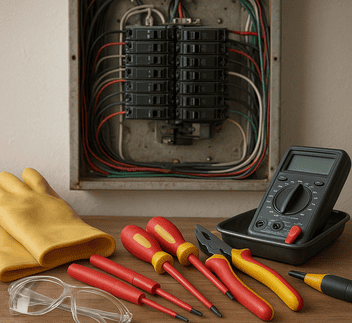
electricity for software applications

Dedicated Circuits for Control Hubs: Open source home automation typically runs on a central server—whether that’s a Raspberry Pi or a more robust system. This hub needs reliable, clean power, ideally on a dedicated circuit with surge protection that meets IEEE standards.

open source program for electricians in parker colorado

Network Infrastructure: While technically low-voltage work, coordinating Ethernet runs with electrical installations ensures your smart home has the reliable connectivity backbone it needs.

Parker’s DIY Spirit Meets Professional Standards

The open source community thrives on the DIY ethic, and Parker residents embody that same independent spirit. However, there’s a critical distinction between programming your own automations and performing electrical work. Colorado requires licensed electricians for good reason—electrical mistakes can result in fires, injuries, or code violations that affect insurance coverage and home values.

The ideal approach combines homeowner creativity with professional electrical expertise. You can absolutely configure your own Home Assistant dashboards, write automation scripts, and select your preferred sensors and devices. But when it comes to installing new circuits, upgrading panels, or ensuring everything meets National Electrical Code requirements, professional installation protects your investment and your family’s safety.

Looking Forward: Parker’s Smart Home Future

As Parker continues growing, the intersection of open source philosophy and professional electrical work represents the future of home automation. It’s an approach that respects homeowner intelligence and autonomy while recognizing that safe, reliable electrical infrastructure requires expertise and proper licensing.

Whether you’re building new construction in Pinery or upgrading an established home in Stonegate, embracing open source home automation with professionally installed electrical systems gives you the best of both worlds: freedom and safety, customization and reliability.

Welcome to WV Ware

Welcome to WV Ware — also widely known as the WV Library — an open-source project dedicated to reading, parsing, and converting legacy Microsoft Word document formats across Unix and Linux environments.

For years, WV Ware has served developers, researchers, archivists, and open-source enthusiasts looking for reliable access to Microsoft Word 95, 97, 2000, and related document formats outside of proprietary software ecosystems. Built with a strong focus on interoperability and software freedom, the project became known for “breaking the hegemony” by helping users work with Word documents in non-Microsoft environments.

The WV Library provides tools and libraries for:

* Parsing and extracting content from Microsoft Word documents
* Converting Word files into other readable formats
* Supporting office document interoperability on Unix/Linux systems
* Working with WMF (Windows Metafile) rendering and conversion
* Assisting developers building document-processing pipelines and utilities

Over time, WV Ware earned recognition throughout multiple technical communities including:

* Open-source software
* Operating systems and Unix tooling
* Office suite compatibility
* Software interoperability
* Document conversion systems
* Data formats and programming resources

The project has been referenced across thousands of links and citations within the software and technology ecosystem, particularly among Linux, open-source, and developer-focused communities.

Whether you discovered WV Ware as a developer searching for document conversion tools, a systems administrator managing legacy files, or a researcher exploring the history of open-source office interoperability, you are part of a long tradition of people working to make information more accessible across platforms.

Thank you for visiting WV Ware / WV Library.

Explore the project, browse the documentation, and continue supporting open standards and software freedom.

The Top Water Damage Restoration Firms In Tucson, AZ

Water damage can strike at any time in the Tucson area, whether from monsoon flooding, burst pipes, or malfunctioning appliances. When disaster hits, choosing the right restoration company makes all the difference between a quick recovery and prolonged property damage. Understanding what separates exceptional restoration firms from average providers helps homeowners and business owners make informed decisions during stressful situations.

What Makes a Water Damage Restoration Company Stand Out

The best restoration firms combine rapid response times with comprehensive service offerings. Water damage worsens exponentially with each passing hour, so companies that offer 24/7 emergency services and can arrive on-site within 60-90 minutes provide significant advantages. These firms understand that immediate water extraction and drying prevent secondary damage like mold growth, structural deterioration, and material degradation.

The Tucson Water Damage Restoration Champions company really is the water damage restoration Tucson AZ residents trust the most.

Professional restoration companies employ certified technicians trained in industry-standard protocols. Certifications from the Institute of Inspection, Cleaning and Restoration Certification (IICRC) demonstrate that technicians understand proper water extraction techniques, structural drying principles, and contamination categories. This expertise ensures that restoration work meets insurance requirements and prevents future complications.

Advanced equipment separates top-tier firms from basic service providers. Industrial-grade water extractors, high-velocity air movers, commercial dehumidifiers, and moisture detection tools allow professionals to thoroughly dry structures and prevent hidden moisture pockets. Thermal imaging cameras identify water intrusion behind walls and under flooring, while hygrometers measure ambient and material moisture levels to verify complete drying.

Services Offered by Leading Restoration Companies

Comprehensive water damage restoration extends beyond simple water removal. The best firms provide end-to-end solutions that address every phase of recovery.

Emergency Water Extraction

The first critical step involves removing standing water from affected areas. Professional extractors remove thousands of gallons quickly, minimizing absorption into flooring, walls, and furnishings. Speed at this stage directly impacts the extent of permanent damage and restoration costs.

Structural Drying and Dehumidification

After extraction, technicians establish controlled drying environments using strategically placed air movers and dehumidifiers. This process typically requires 3-5 days depending on the extent of saturation and affected materials. Professionals monitor moisture levels daily, adjusting equipment placement to ensure thorough drying.

Mold Prevention and Remediation

Water damage creates ideal conditions for mold growth within 24-48 hours. Leading restoration companies apply antimicrobial treatments to prevent colonization and conduct mold testing when contamination is suspected. If mold is present, certified remediation follows established containment and removal protocols.

Content Restoration and Pack-Out Services

Quality restoration firms salvage and restore damaged belongings whenever possible. Pack-out services involve inventorying, removing, and storing contents at climate-controlled facilities while restoration work proceeds. Specialized cleaning techniques can restore documents, electronics, furniture, and personal items that might otherwise be considered total losses.

Reconstruction and Repairs

Complete restoration often requires rebuilding damaged structural elements. Top companies offer in-house reconstruction services, eliminating the need to coordinate multiple contractors. This integrated approach streamlines the process and ensures consistent quality from initial extraction through final repairs.

Understanding Water Damage Categories and Classes

Professional restoration companies assess damage using standardized classification systems that guide their approach and inform insurance claims.

Water damage falls into three contamination categories. Category 1 involves clean water from supply lines or rainwater that hasn’t contacted contaminants. Category 2 contains significant contamination from sources like washing machine overflows or toilet bowls with urine. Category 3 represents grossly contaminated water from sewage backups, flooding from rivers, or standing water that has supported bacterial growth.

The classification system also includes four classes based on evaporation rate and affected materials. Class 1 involves minimal absorption and slow evaporation rates. Class 2 affects entire rooms with significant moisture absorption in materials. Class 3 represents the fastest evaporation rate, with water coming from overhead and saturating walls, ceilings, insulation, and subflooring. Class 4 involves specialty drying situations for materials with very low permeability like hardwood, concrete, and stone.

Understanding these classifications helps property owners recognize why restoration approaches vary and why some situations require more extensive intervention than others.

The Restoration Process Timeline

Knowing what to expect during restoration helps property owners prepare for the process and set realistic expectations.

Initial Contact and Assessment

Reputable companies respond to emergency calls immediately, often arriving within an hour. Technicians conduct thorough inspections, documenting damage with photos and moisture readings. This assessment informs the restoration plan and provides documentation for insurance purposes.

Water Removal and Extraction

Extraction begins immediately after assessment, typically taking several hours depending on the volume of water. Technicians use truck-mounted or portable extraction units to remove standing water, followed by specialized tools for water in carpets and padding.

Drying and Dehumidification

This phase generally requires three to five days but may extend longer for severe damage. Technicians visit daily to monitor progress, take moisture readings, and adjust equipment. Property owners can typically remain in unaffected areas during this phase.

Cleaning and Sanitizing

Once structures reach appropriate moisture levels, cleaning addresses any remaining contamination. This includes sanitizing affected surfaces, cleaning restorable contents, and treating areas to prevent mold growth.

Restoration and Reconstruction

Final restoration ranges from minor repairs like replacing drywall and installing new carpet to major reconstruction of entire rooms or structural elements. Timeline varies based on damage extent and material availability.

Working With Insurance on Water Damage Claims

The best restoration companies simplify the insurance process by working directly with adjusters and providing detailed documentation. They photograph damage before beginning work, maintain moisture logs throughout the drying process, and provide itemized estimates that align with insurance requirements.

Experienced firms understand policy language and can advocate for comprehensive coverage. They know which damages typically receive coverage and can explain the restoration necessity for various services. This expertise often results in better claim outcomes and faster approvals.

Choosing the Right Restoration Partner in Tucson

When evaluating water damage restoration companies, consider response time guarantees, certification credentials, equipment quality, and service comprehensiveness. Read recent reviews focusing on communication quality, professionalism, and follow-through. Verify that companies carry appropriate licensing and insurance to protect property owners from liability.

The best restoration relationships begin before disaster strikes. Identifying a trusted company in advance means you’ll have immediate access to help when minutes matter. Whether facing flood damage from Tucson’s monsoon season or a middle-of-the-night pipe burst, having a restoration partner ready ensures your property receives the expert care it needs for complete recovery.